Wing Foiling & Wing Searching - Primary steps and also Tips in Starting out
Opportunities are, if you clicked this blog, you want discovering to Wing Surf or Wing Foil. SUP, Foil, Surfboard, Snowboard, Skateboard ... whatever you determine to put on your feet, Wing Boarding is the most popular brand-new wind sport. It combines a kiteboard kite-like sail, handheld similar to a windsurf sail, only not connected to the board, to move you. It needs only standard board abilities to start as well as minimal devices. Additionally, it is less complex as well as much safer to find out, so everybody can have a blast. Greater performance will certainly include the ability to integrate with a hydrofoil for top speeds, upwind capability, and jaw-dropping maneuvers.
We have actually been learning and checking these brand-new wings for a short time currently and something was right away apparent to us. As with many sports, but wind sports in particular, preliminary knowing can be challenging. But, with a few suggestions as well as correct progression, the learning contour actually speeds up. If you are a experienced windsurfer, you can most likely speed up via these drills; those without any windsport abilities need to take their time prior to progressing to the next step. Take a checked out our learning development and ideas to discover to Wing Browse in a few simple actions.
Play with your Wing
The first step is just playing with the wing on land. Get it out on a light wind day (8-15 knots), pump it up and discover to take care of the kite. It seems silly, yet learning exactly how to simply turn the wing over, enter riding placement, as well as add power to the wing is a huge advantage when you enter the water. Right here are a couple of things to work on throughout your land session ...
Hold the wing into the wind making use of just one hand on the leading side. The outside of the cover up or down, the sail ought to float in adequate wind. Envision you are holding the front edge of a flag and the rest of the sail is simply dropping downwind. This is your neutral setting as well as it will allow you to hold the wing without power in the sail. Walking around the beach, out to the water, positioning the board, as well as standing will certainly all take advantage of this skill.
If you intend on drawing in and also powering the sail, it ought to have the inside canopy directing downward. If your inside canopy is up-wards, you'll need to turn it. That's very easy enough on land in light winds but when you get involved in the water in some wind, it can be very tough if you do not have the correct strategy. That indicates you must obtain plenty of practice ashore prior to struggling in the water. Taller cyclists may have the ability to hold their hand high and also spin it on little sails, but more probable Great site you'll have to flip it making use of a "powered flip" that we have actually uncovered. To do a powered wing flip you ought to move both hands towards the one of the wingtips, pull in on your wing leash until it captures some wind, then enable the kite to turn comparable to a kiteboard kite relaunch. If you do it properly, you can climb up the chain or leading edge as well as remain in the appropriate orientation with the inside of the cover aiming downward (boom down). We advise exercising on your knees because you will normally be in the water for this.
Since you have learned to get into your "neutral" setting as well as turn your kite, allow's speak about adding some power to this equation. From your neutral boom down placement, draw your leading edge hand close to your face and also get hold of the center of the boom with your various other hand. You will certainly intend to really reach out as well as place your body so you do not draw the sail right into the wind prior to you are ready. New riders as well as windsurfers specifically will intuitively hold the boom flat, however you do not want to do that. With wing boarding, directing the wing upwards is very important for beginning motion and also slower speed riding. Any kind of down position of the wing will trigger it to fly down into the ground/water. Keep in mind, this thing is a huge paper airplane that will fly where you direct it. Ashore, practice holding the sail in a upright position after that relocate gradually right into a 45 level angle in the direction of the instructions you want to take a trip. Have fun with how much you pull the sail in. Like kiteboarding and also windsurfing, or really any type of cruising, you can over-sheet the sail and also trigger it to loose power instead of gain. The higher the wind, the more you can sheet in. There is a fine line in between good power and also over-sheeting, so have fun with it and get the feel for where that is. Once more, skilled wind web surfers and also sailors will have a big benefit in this field of progression.
If you plan on riding a smaller sized board ultimately, you can practice jumping from your knees to your feet. To stand out to your feet from your knees, lean on your back leg and move your front foot to a level foot placement. Follow with the back leg as well as you are standing.
If you have a skateboard or mountain-board and sufficient cushioning, a big area of turf or sidewalk and also light winds (5-12 knots) will certainly enable you to add some excitement to your land technique. Just bear in mind, you can really obtain moving with this sail and the collisions will certainly be considerably a lot more agonizing ashore. Drop your back hand and hold on with the leading edge hand to depower your wing. We have actually also seen individuals practice on OneWheel skateboards for optimum Wing Foil technique.
With some great technique on land, you will certainly obtain expertise and muscular tissue memory that will assist you progress more quickly and conveniently when you reach the water. If you can venture out for a second land session in a bit a lot more wind (15-18 knots), that will permit you to feel out the power and also handling in effective wind prior to you include a board.
WhatSUP?
For your first water session, seek a good sideshore or side-onshore wind around 13-18 knots. Offshore wind is not recommended without a support boat. Smooth water is excellent yet not essential, though big waves will be troublesome for your first session. Stay clear of the temptation to pull out your smallest SUP and also grab a big paddle-board instead. If you don't have one, rental fee or borrow one. It looks like everyone has a fundamental SUP these days, so you possibly understand a person. It will certainly offer you a great deal more stability and also plane-ability. This will certainly optimize your fun and also progression as opposed to tiring you out from tipping and stumbling around. When possible, preparing for a downwind trip is excellent. If you do not, you will spend two-thirds of your time just strolling back upwind. Take advantage of your regional paddleboard crew; most locales do downwind teams regularly. They will most likely be stired to see somebody try Wing Paddle-boarding and also compare the downwind rate and simplicity to a typical downwind SUP. Just be ready to share, because this wing boarding is infectious.
Venture out as well as set up near the water's side. Lugging the wing and also board with each other can be difficult for long distances. When bring your board, put it on your upwind side as well as hold the wing on the downwind side. This will allow the wing to hover nicely downwind in your hand.
Make your escape into the water. Remember to seek other coastline goers as well as prevent them and also maintain a secure range downwind.
When you are in a great area, make sure your wing is positioned boom down.
Aim your board downwind and concern your knees. Gain security on the board, then draw the leading edge near to your face as well as order the boom with the various other hand. Remember your land method and also angle the wing upwards with extremely little power. When you prepare, point the wing a little in the direction you want to go and sheet in slowly to power the sail. If you have sufficient wind, stayed on your board, and are relocating ... congrats, you are wing searching! Practicing on your knees for some time will assist decrease your center of gravity and get a feel for riding crosswind without having to think excessive about equilibrium.
The following action type of goes without stating; just stand up. On a stable board, bikers will find it much easier to stand, then involve the sail. If you are riding a smaller sized SUP or wish to progress into a smaller SUP, I 'd recommend practicing the knees-first begin. If you start going on your knees, then stand out to your feet, you can keep the wing powered to supply directional stability. To stand out to your feet from your knees, lean on your back leg and also relocate your front foot to a flat foot position. Adhere to with the back leg and you are standing. This skill is vital if you intend on riding a small board.
As soon as you can ride secure for a couple of hundred yards in both directions, begin to deal with your board direction. Factor it downwind, start to work on pointing upwind, then function it back and forth. Riding upwind on a SUP without a foil requires a ton of ability as well as the best conditions, so do not get too dissatisfied if you can refrain from doing it. For the majority of motorcyclists, upwind riding will certainly need a hydrofoil.
Wing Foiling
Contrasted to wing browsing or wing boarding, adding a hydrofoil to your SUP will supercharge your wing's efficiency. When on foil, the drag as well as surface area tension is substantially decreased. As a result, you obtain acceleration, top speed, maneuverability, as well as considerable upwind benefit. While you do not need much power when on foil, you still require adequate power to lift off. SUPs have a great quantity of drag, so we discover that a lot of riders will certainly need at least 15 knots of wind to be effective foiling on XL hydrofoils. For average-sized brand-new bikers, a excellent 17-22 knots is ideal because you are less reliable. Flat water is a massive benefit as well.
If you have actually not currently done so, get behind a boat as well as find out to hydrofoil. Locate the " pleasant area" where you feel most comfortable/stable standing while foiling. Our exactly how to foil overview can be found symphonious 2-5 right here: http://www.mackiteboarding.com/news/learning-to-foilboard-behind-the-boat-foil-fridays-/
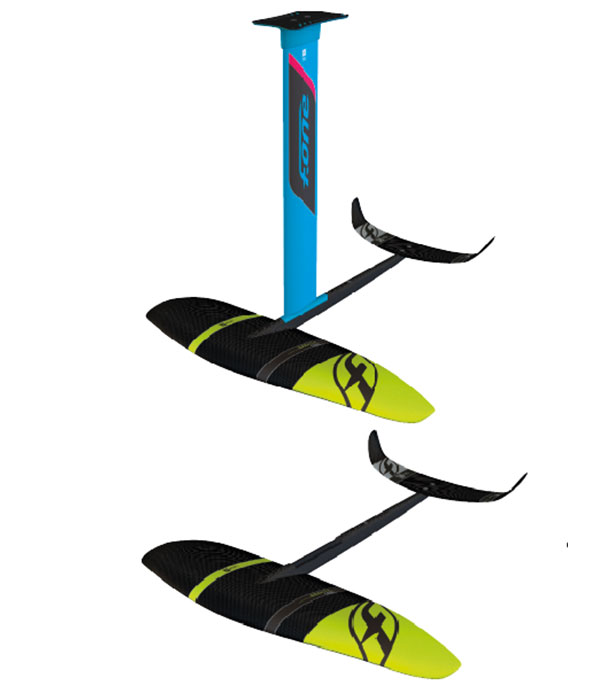
Rig your hydrofoil with your largest wing. Most motorcyclists will need at the very least 1900 cmsq to be successful; 2200+ is best for discovering as well as moderate winds. If you are uncertain which foil to use or get, please call us for a personal recommendation. The correct gear is needed for success.
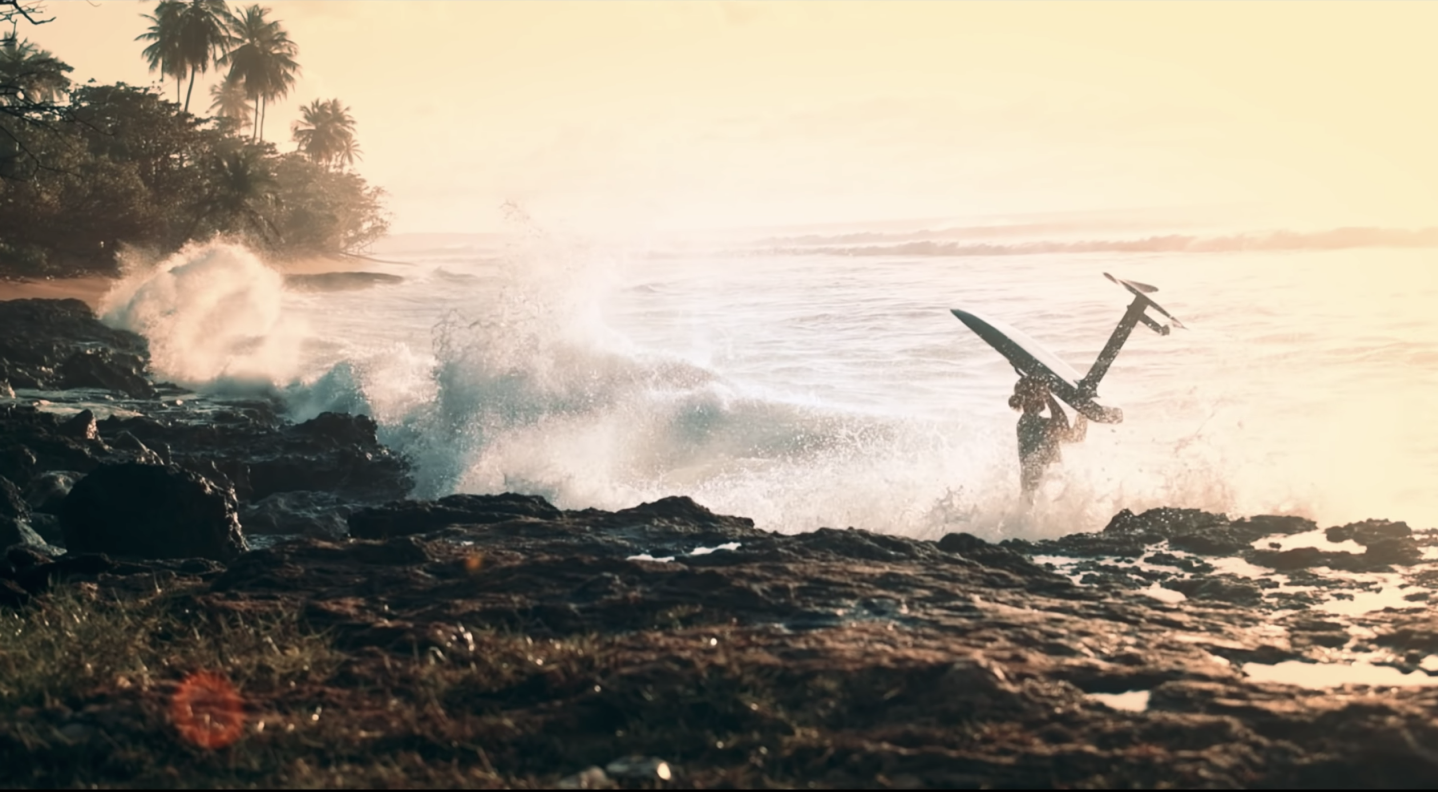
When bring your board as well as wing, try to keep the wing downwind and also your board upwind whatsoever times. This is to safeguard your wing and body from foil damages. Otherwise feasible, do your best to maintain your fly your hand as well as avoid collision with the foil wings.
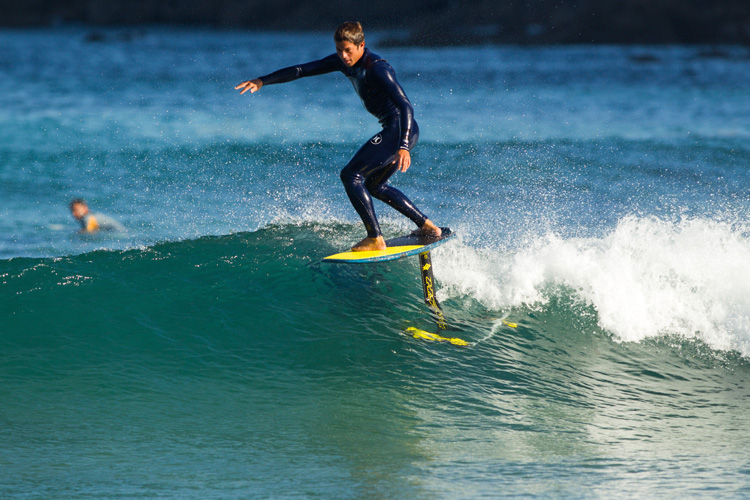
To start, reach your knees, obtain relocating, then pop up and speed up. Pay very close attention to your foot placement and discover your foil's pleasant area.
When you rise to the proper rate, shift your hips backward a little. If you are positioned properly and also lugging adequate speed, you'll start to lift off. When you get 10" approximately above the water, change your hips onward slightly to level off the board. Bam, you are wing foiling!
When you drop, make sure to keep your front hand on the leading edge. Failure to do so will leave the wing at the mercy of the wind, and also it eventually will locate its way to your hydrofoil. Believe me, it has actually happened to me currently. Because of this, we advise wing foilers take a great strip of rip-stop tape as well as scissors to the beach. It can conserve your session and also the opportunity of an expanded cover tear.
Much easier said than done for certain, a lot of riders will require a excellent 20-25 hrs of prerequisite as well as method prior to they efficiently reach brief flights on foil. Keep at it as well as at some point you'll be flying around like it's second nature.
This is a brand-new sport for every person; embrace belonging of something new as well as help form its future. I can just picture the awesome tricks and flights that will be arising quickly. I am positive that we are only seeing the basics currently, and also some cyclists will surely press the limits of our existing creative imagination.